 Chama Cellar
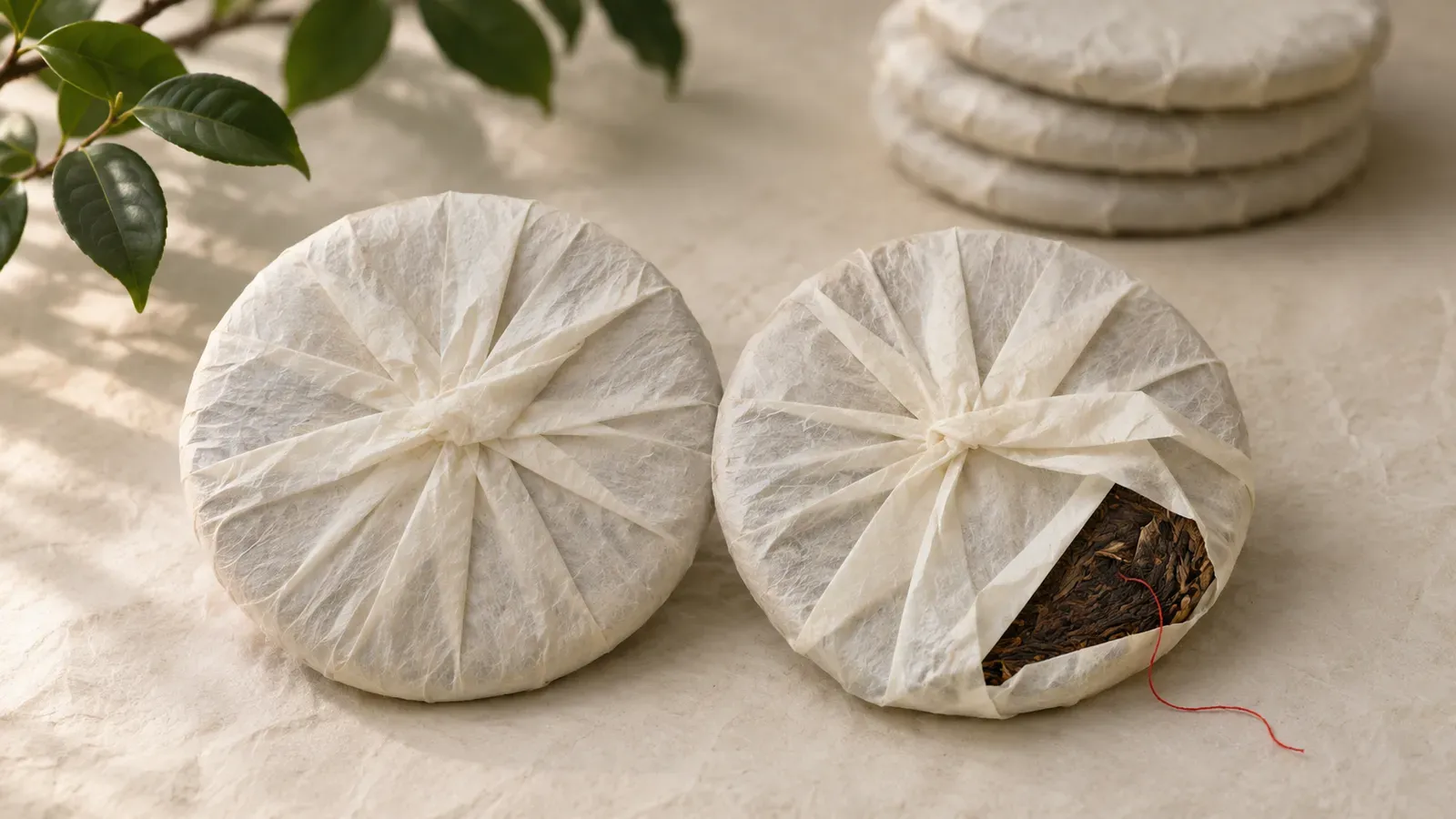
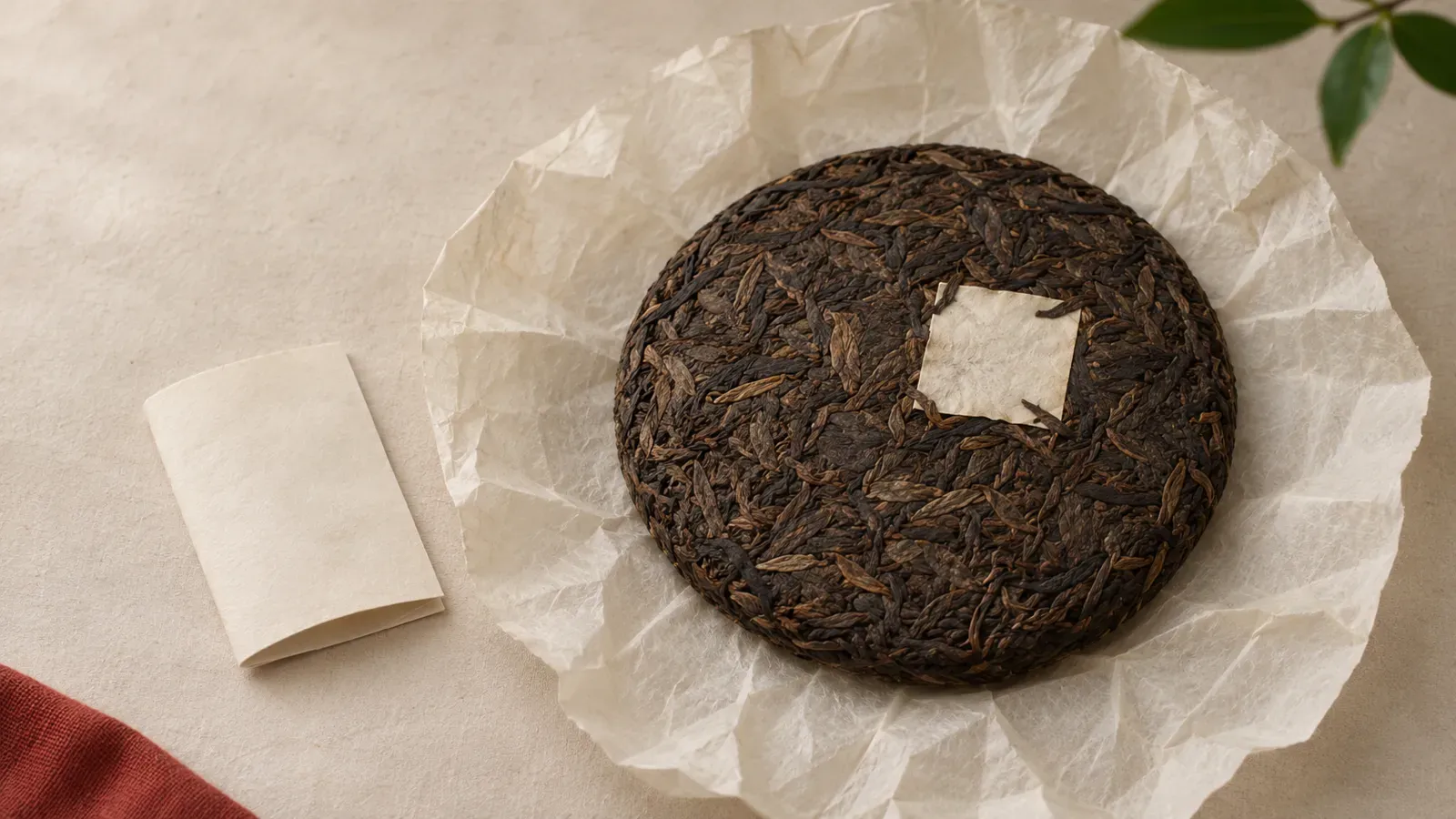
A recipe number, 唛号 (mài hào), is a short code for a blend. It tells you which style of cake a factory meant to press. It is one of several things printed on a wrapper, and how to read a pu'er wrapper covers the rest. This page looks only at the numbers.
Where do recipe numbers come from?
Most accounts date the system to the mid-1970s. Yunnan's tea was then exported through a state trading company, and the province's large factories each pressed several standard blends. A code let the exporter and overseas buyers order the same blend again without describing it each time.
The codes belong to that group of factories. Small producers and village-named cakes normally have no recipe number, and the absence of one means nothing.
How do you read the four digits?
Take 7542 and 7572.
| Digits | 7542 | 7572 | What they stand for |
|---|---|---|---|
| First two | 75 | 75 | The year the recipe is said to have been first made, here 1975 |
| Third | 4 | 7 | The leaf grade the blend is built around |
| Fourth | 2 | 2 | The factory, here Menghai |
Nothing in the code says whether the tea is raw or ripe. 7542 is a raw cake and 7572 is a ripe one, and you only know that because the recipes are well known. On an unfamiliar number, look for 生茶 (raw) or 熟茶 (ripe) on the wrapper. The difference is explained in ripe vs raw pu'er.
What does the leaf grade digit mean?
Loose pu'er leaf is sorted by size and tenderness. Low numbers are small, tender leaf with more buds. High numbers are larger, more open leaf with more stem.
The digit names the grade at the centre of the blend, not the only grade in it. A factory cake usually has finer leaf scattered on the face and coarser leaf inside. A lower digit also does not mean a better tea. Larger leaf gives a different cup, often thicker and sweeter, and some of the most sought-after recipes use it.
Which factory does the last digit stand for?
| Last digit | Factory |
|---|---|
| 1 | Kunming Tea Factory |
| 2 | Menghai Tea Factory, whose brand today is Dayi (大益) |
| 3 | Xiaguan Tea Factory |
| 4 | Usually given as Pu'er Tea Factory, though sources do not all agree |
In practice almost all the numbers a buyer meets end in 2 or 3, because Menghai and Xiaguan kept pressing their numbered recipes year after year.
Which recipe numbers are worth knowing?
| Code | Factory | Type | Usually described as |
|---|---|---|---|
| 7542 | Menghai | Raw cake | The standard Menghai raw cake, often used as the reference point for others |
| 7532 | Menghai | Raw cake | Built on finer leaf than 7542 |
| 8582 | Menghai | Raw cake | Larger, more open leaf. Most sources say it was first made in 1985 for a Hong Kong trading company |
| 7572 | Menghai | Ripe cake | The standard Menghai ripe cake |
| 7262 | Menghai | Ripe cake | Finer leaf than 7572 |
| 8592 | Menghai | Ripe cake | Larger leaf than 7572 |
| 8653 | Xiaguan | Raw cake | Xiaguan's best-known numbered raw cake |
| 8663 | Xiaguan | Ripe cake | The ripe counterpart to 8653 |
| 7581 | Kunming | Ripe brick | A 250 g ripe brick associated with Kunming |
The year digits are best taken as nominal. The piling process that makes ripe pu'er is usually dated to 1973, which sits oddly with a ripe recipe that begins with 72. Recipe histories were written down later and the accounts differ.
You may also see five-digit codes on loose pu'er. They are usually read the same way, with two digits for the grade in the middle.
What is the three-digit number after the recipe?
That is the batch. A large factory presses the same recipe several times a year, and each pressing gets a number.
- Three digits, such as 7542-701. On Dayi cakes this is commonly read as year 7, batch 01: the first batch of 2007.
- Four digits, such as 7542-1401. Later cakes use two digits for the year: the first batch of 2014.
With three digits the decade is not stated, so 701 has to be read together with the production date and the wrapper design. Collectors often pay most attention to the first batch of a year, and batches of the same recipe in the same year can taste different. Other factories number their batches in their own ways, and many cakes have none.
What does the recipe number not tell you?
- The year the cake was pressed. A 7542 has been pressed in most years since the 1970s. The age comes from the production date and batch, never from the 75.
- The quality. The code names a style. The leaf that goes into it changes from year to year and from batch to batch.
- Where the leaf grew. Factory recipes are blends from several areas, and the code names no mountain or village.
- How the cake was stored. Two cakes from the same batch can taste very different after fifteen years in different places. See dry vs wet storage.
- Whether the cake is real. Famous numbers are the ones most often copied. See how to tell if a pu'er cake is fake.
Why do other factories print the same numbers?
The codes were never exclusive to one company in the way a brand name is. After the state factories were restructured, former staff set up their own factories and brought the recipes with them, and many producers now press a "7542" or a "7572" of their own.
On those cakes the number is a style reference. It says the producer was aiming at that kind of blend, and the last digit no longer tells you who made the tea. To find out, read the brand, the producer's name and the SC licence number on the back.
How should you use the number when buying?
Treat it as a starting description: this is a blended factory cake in a known style, raw or ripe, with finer or larger leaf. Then check the things that decide what is in the cup, which are the producer, the pressing year and batch, and where the cake has been kept since. A seller who gives only the recipe number has told you very little.